How We Work
How We Work
At Zaya Web Studio, every project follows a structured process designed to understand the business first, plan the right digital experience, build the required technology, test it and launch it successfully.
A structured process from idea to launch
We don't start by writing code immediately. We first understand the business, target audience, competitors and project requirements. The information is then translated into a practical strategy, user interface and development plan.
Zaya Web Studio's public website describes the core workflow as Discovery → Strategy & UI → Development → Launch & Scale.
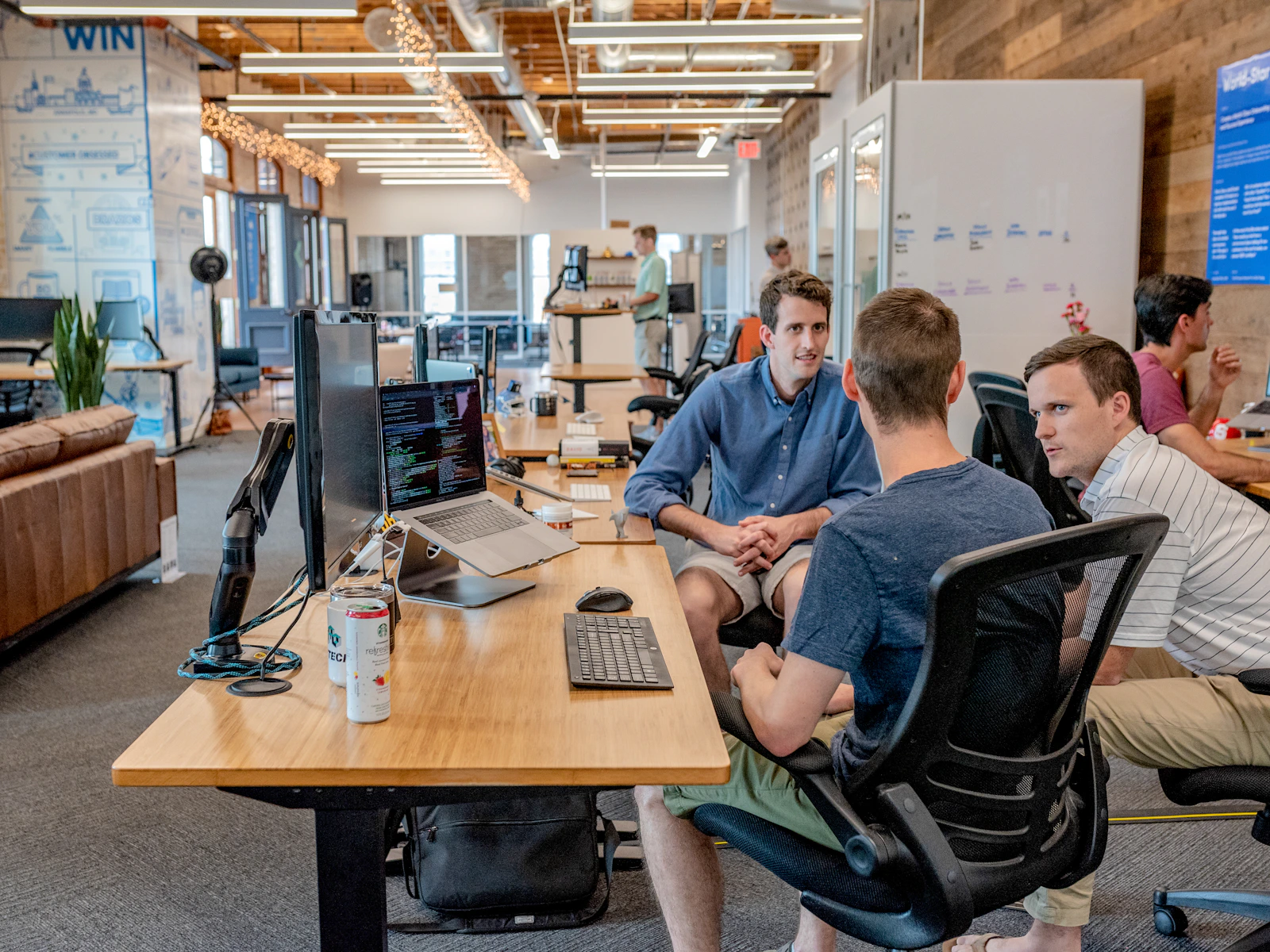
01. Our Four-Step Process
Our core project methodology is divided into four major stages. Each stage has a specific purpose before the project moves forward.
Discovery
We begin by understanding your business, target audience, competitors, goals and technical requirements. This stage helps us identify what needs to be built and why it is important for the business.
Business Understanding Requirements ResearchStrategy & UI
After understanding the project, we plan the structure, user journey and interface. Wireframing and UI decisions are aligned with the brand and the intended customer experience.
Wireframes UI/UX User JourneyDevelopment
The approved concept is converted into a working digital product. Depending on the project, this can include website development, e-commerce functionality, mobile applications, backend systems, APIs, databases and integrations.
Clean Code Development IntegrationsLaunch & Scale
Once development and testing are complete, the project is deployed. After launch, agreed support, optimization, marketing or future feature development can help the digital product continue to grow.
Deployment Support Growth
02. Step One — Discovery
A successful project starts with understanding the problem. During discovery, the project requirements are discussed before development begins.
Business Goals
What the business wants the website, application or digital product to achieve.
Target Audience
Understanding the people who will use the product and the actions they are expected to take.
Competitor Research
Reviewing the relevant market and competitor presence to understand opportunities and requirements.
Technical Requirements
Identifying platforms, integrations, databases, APIs and other technical requirements.
03. Step Two — Strategy & UI
Once requirements are understood, the project structure and visual direction are planned. The goal is to create an interface that supports both the brand and the intended user journey.
Organizing pages and content logically.
Planning the structure before detailed development.
Creating the visual interface and brand experience.
Considering desktop, tablet and mobile experiences.
Designing the path users take through the product.
Structuring important pages around business goals.

04. Step Three — Development
After the strategy and interface direction are established, development begins. The technology used depends on the requirements of the specific project.
Website Development
Custom websites, business websites, landing pages and e-commerce platforms.
Application Development
Android and other application projects according to the agreed technical scope.
APIs & Integrations
Connecting websites and applications with required third-party services.
Backend & Database
Server-side functionality, data handling and administration systems where required.
Development scope: Technology, features, integrations and delivery timelines depend on the approved project scope. New requirements introduced after approval may require separate estimation.
05. Testing & Quality Checks
Before launch, the completed product should be checked across the agreed requirements and supported environments. For website projects, this can include responsive behaviour, browser compatibility, functionality, forms, links and integrations.
Functionality Testing
Important features and user flows are checked against the approved project requirements.
Responsive Testing
Layouts are reviewed for supported desktop and mobile screen sizes.
Integration Testing
Relevant payment gateways, APIs, forms and external services are checked according to the project scope.
Final Review
The final implementation is reviewed before the agreed deployment process.

06. Step Four — Launch & Scale
After the project has passed the agreed checks, it can be deployed to its production environment. Launch is not necessarily the end of the relationship; depending on the agreement, the project can continue through maintenance, optimization or future development.
Deployment
Publishing the completed website or application to the agreed production environment.
Technical Handover
Providing agreed project access, information or instructions required after delivery.
Maintenance
Ongoing updates, fixes or technical support where included in the selected service.
Future Growth
New features, SEO, marketing or further development can be planned as the business grows.
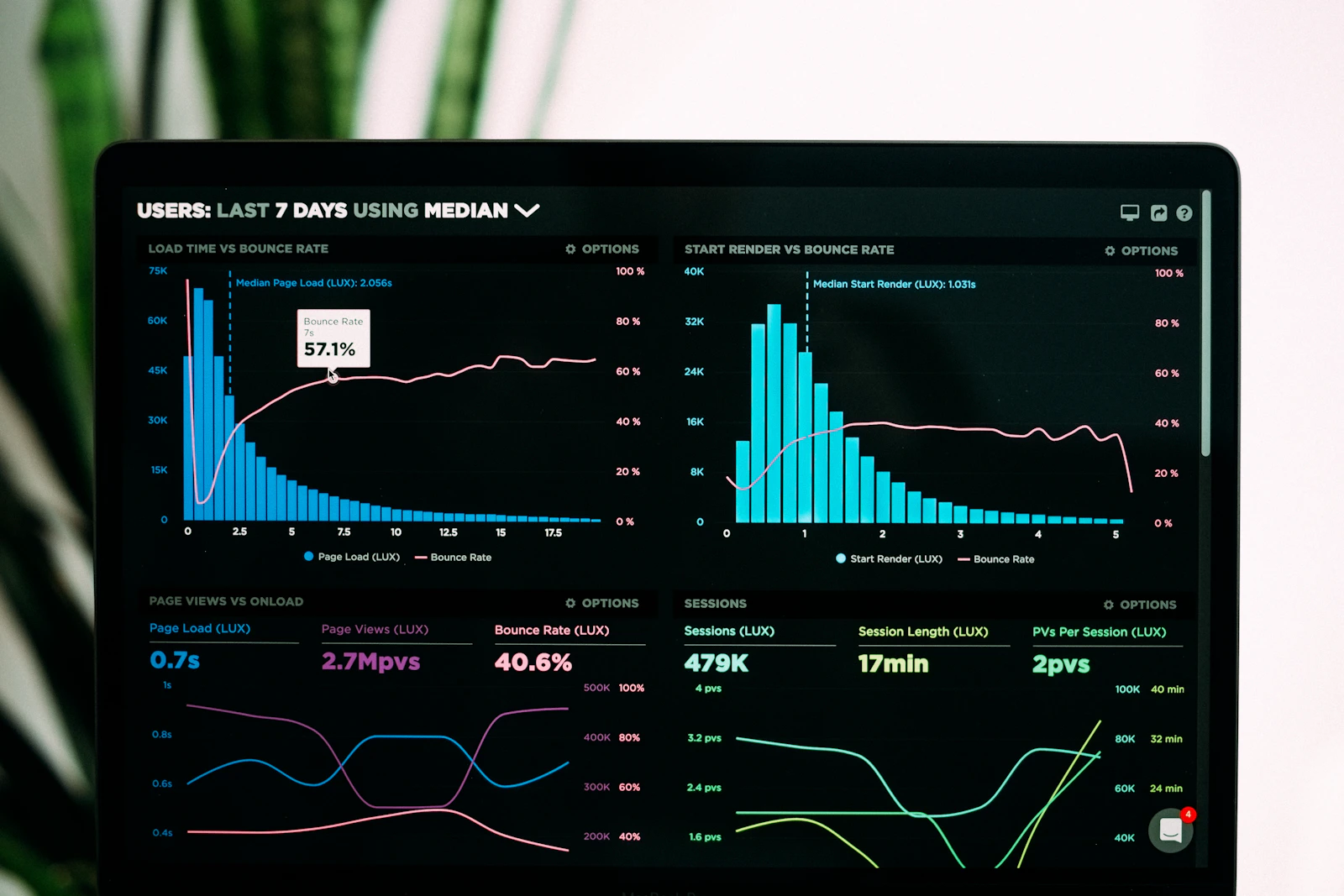
07. What We Need From the Client
A project works more smoothly when both sides provide the required information and feedback on time.
- Provide accurate business and project information.
- Share required logos, images, text and brand assets.
- Clearly communicate required features and integrations.
- Review designs, content and project milestones within the agreed review period.
- Provide required account credentials or access securely when necessary for deployment or integrations.
- Communicate changes before final approval wherever possible.
08. Communication During a Project
Project communication can cover requirements, design approvals, development progress, testing, revisions and launch coordination. The exact communication method depends on the project and the agreed working arrangement.
Confirm what needs to be built.
Discuss development status and milestones.
Collect changes and corrections.
Confirm important project decisions.
09. Scope & Change Requests
Every project is based on an agreed scope. If new features, integrations, pages or major changes are requested after the scope has been approved, the additional work may need to be reviewed and estimated separately.
Example: Adding a new payment gateway, admin module, mobile application feature or major page after development has started can change the required development effort and delivery schedule.
10. Continue Exploring Zaya Web Studio
11. Frequently Asked Questions
How does a project start?
Projects begin by understanding the business, requirements, target audience and desired outcome. After discovery, the project moves into strategy, UI and development according to the agreed scope.
Does every project follow exactly the same process?
The four core stages provide the general workflow, but the actual activities can vary depending on whether the project is a website, e-commerce store, mobile application or custom technology solution.
Can I request changes during development?
Yes. Feedback and revisions can be discussed during the project. However, major additions or changes outside the agreed scope may require a separate estimate.
Does Zaya Web Studio provide post-launch support?
Technical support and maintenance are among the listed services. The exact support period and included work depend on the selected service or project agreement.
How can I start my project?
You can contact Zaya Web Studio through the Contact page and share your project requirements.
Ready to Start Your Project?
Tell us what you want to build, who it is for and what your business needs. We can then understand the requirements and determine the appropriate digital solution.
Start a Conversation Estimate Project Cost →